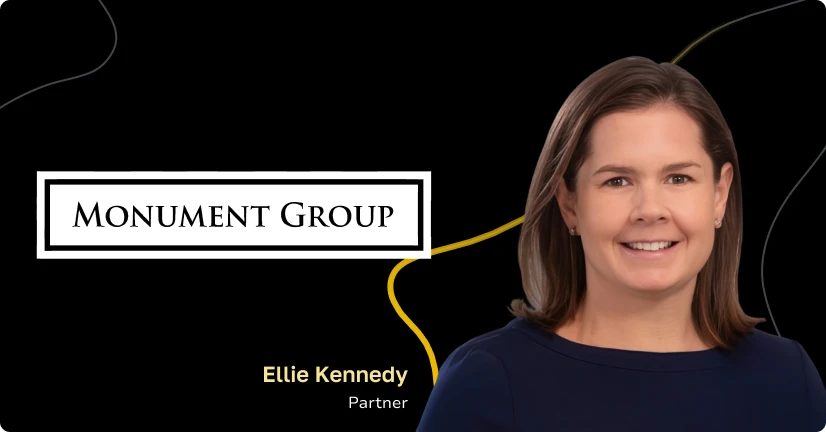
“The best time to raise your next fund is the day after you close your last—so you’re in perpetual fundraising motion.”
Many firms treat fundraising as a mode they enter and exit. Communication intensifies when the fund is officially in-market, meetings multiply, and materials get polished. By the time a firm formally launches its raise, most LPs carry a quiet, but strong, bias toward or away from a re-up.
This creates the core tension in how most IR teams operate: their energy concentrates at exactly the moment the outcome is already largely determined.
What LPs Are Actually Evaluating
Institutional LPs do not evaluate managers quarter by quarter. They build a confidence profile over years, shaped by an accumulation of interactions that individually feel minor but collectively form a durable impression. Every quarterly report that arrives with inconsistent numbers, every LP question that takes four days to answer, every material issue disclosed reactively rather than proactively—these interactions update that profile continuously, regardless of whether a fund is in market.
LPs look beyond numbers; they evaluate how a firm listens, captures context, and coordinates responses. According to CSC’s research across 150 LPs in North America, Europe, and Asia Pacific, 85% had rejected an investment opportunity over operational concerns alone, and 68% now rank operational clarity above historical returns when evaluating a manager.
The implication is important: your IR function is being assessed continuously, and the assessment is as much about what you say than about how reliably your operating model delivers on it.
The Problem With Managing Relationships in Inboxes
During Altvia’s February 2026 fundraising webinar, Matt Curtolo, GP/LP Advisor, MC Advisory, made the operational challenge concrete: “If you think about Dunbar’s number, you can have 150 relationships that your brain can really handle, and above that you start to lose context. Most IR systems should have multiples of that, and you need detailed notes about those folks.”
A mature firm is managing hundreds of LP relationships, each with distinct preferences about communication cadence and what they need to see before committing. Managing that at scale in spreadsheets and email inboxes works until it stops working, and it stops working quietly—through context that degrades, follow-ups that lag, and preferences that get lost between interactions, or worse, loudly when the wrong document is sent to the wrong person.
During the webinar, Jeff Willems, COO, Triton Lake described the operational discipline required to solve this: his team captures granular data on every LP’s investment preferences, tracks where each relationship sits in the engagement cycle, and uses workflows that prompt the team to follow up when the right trigger is reached. Some LPs want frequent engagement and are comfortable being chased. Others have indicated they prefer to receive deal flow and will reach out when something is relevant. Both preferences need to be honored systematically, not just by the person who originally captured them. When that person leaves or shifts roles, that context should not leave with them.
This is precisely what Altvia is built for. Engagement tracking at the document level, combined with workflow automation for 24- and 48-hour response standards, means the firm’s behavior toward LPs is consistent and professional regardless of which individual is handling the interaction.
The Cost of Inconsistency
LPs do not all react the same way to operational friction, and that is part of what makes it so difficult to manage. Some will flag an error immediately and forcefully—a single number that does not reconcile in a quarterly report can generate a call within the hour, with little patience for explanation. Others absorb the friction quietly and say nothing. With that second group, the signal shows up later and indirectly: slower internal approvals, more diligence questions than expected, reference requests that feel excessive, commitments that arrive smaller or later than anticipated. The vocal LP at least tells you where you stand. The quiet one has already started forming a view about your next fund, and you will not find out until you are in market.
Disconnected systems—a CRM that does not talk to fund administration, reporting that lives in a spreadsheet no one can verify is current, LP communications that go out of one team member’s inbox without being logged anywhere—create the conditions for that erosion at scale.
Altvia’s connected intelligence approach addresses this directly. A single source of truth across IR and deal teams means LP responses draw from the same data regardless of who delivers them. Automated reporting eliminates the version-control problem that produces inconsistent numbers. And the LP Portal gives investors a consistent, branded, audit-ready experience of the firm that reinforces professionalism at every touchpoint.
Why the Off-Cycle Period Is the Fundraise
Firms that operationalize LP relationship management see a different dynamic when they return to market. Conversations start warmer because the LP has been consistently served in the interim. Diligence compresses because the operational track record is self-evident. Reference calls reinforce the relationship rather than having to rescue it, because existing LPs can speak to the quality of the off-cycle experience and not just the deal returns.
In a market where average fund close times have stretched to over 20 months and capital is concentrated with fewer, more trusted managers, the off-cycle period is not the gap between fundraises. It is the fundraise. The firms that recognize this—and build the systems to execute on it continuously—are the ones LPs move fastest for when the time comes.