You know the feeling.
An LP email hits your inbox at 4:17 p.m. asking for updated exposure numbers or clarification on a metric from last quarter. You open the shared folder — three versions of the workbook. Slack a teammate — they think Finance updated it last night. Someone else sends a deck — but the numbers don’t match.
Fifteen minutes later, you’re still trying to figure out which version is correct.
And that’s before you even start answering the question.
If you’re constantly hunting for data, merging spreadsheets, digging through inboxes, or recreating decks from scratch, you’re not just behind — you’re operating inside a workflow that simply can’t keep up with modern LP expectations.
The problem isn’t your skill or effort. It’s the system. LPs now expect:
- Faster response times
- Deeper verification
- Real-time transparency
- Institutional-grade reporting
However, most IR teams are still running on tools and processes built for a different era. That gap creates stress for analysts, slower responses for LPs, and credibility risk for the firm. Here are the 5 IR workflow mistakes that are slowing you down (plus how to fix them).
Mistake #1—Treating Spreadsheets as the Source of Truth
Most IR analysts are juggling so many spreadsheets they could qualify for a technical certification. But the deeper issue isn’t volume—it’s versioning. When every report, deck, or update begins with “Which file is the right one?”, you’re behind and frustrated.
Spreadsheets multiply, drift out of sync, get copied into personal folders, and become unsupervised sources of truth. One formula shifts, one row is misaligned, one decimal slips—and suddenly LPs spot inconsistencies your team didn’t catch.
This creates a constant cycle of validating, revalidating, and triple-checking numbers. Not because the data is wrong—but because the systems around it are fragile.
How do you fix it?
The fix is simple in concept but transformational in practice: a single connected source of truth. With Altvia, investor, fund, and performance data all live in one place, updated once and trusted everywhere. Analysts stop validating numbers and start using them.
Mistake #2—Managing Investor Updates Through Email
Email is where investor communication goes to disappear. Threads splinter, attachments get outdated, approvals vanish in multi-layer replies, and context gets buried beneath back-and-forth messages.
When an LP asks, “Didn’t you send this last month?” you shouldn’t have to dig through six threads or text a teammate to confirm.
Using email as the operational backbone for IR creates avoidable confusion:
- No one knows which version was sent
- No one sees whether LPs engaged with the content
- No one can track past interactions without hunting through inboxes
LP relationships are built on clarity—but email creates fog.
How do you fix it?
By shifting to a connected communication layer, IR teams get full visibility into what went out, who received it, and how they engaged. With an LP Portal and integrated communication history, analysts can answer questions instantly instead of reconstructing the past.
Mistake #3—Manually Compiling Reports and Decks
You know the drill: it’s reporting week, and nights disappear into formatting charts, validating formulas, and exporting updated numbers into slides—only to repeat the process again when finance sends a new version at 7 p.m.
These cycles aren’t just exhausting—they’re risky. Manual reporting is where errors hide. A misaligned column, an outdated screenshot, a mislabeled chart—LPs catch these instantly.
Analysts shouldn’t be spending their time maintaining spreadsheets and decks. They should be analyzing what the numbers mean.
How do you fix it?
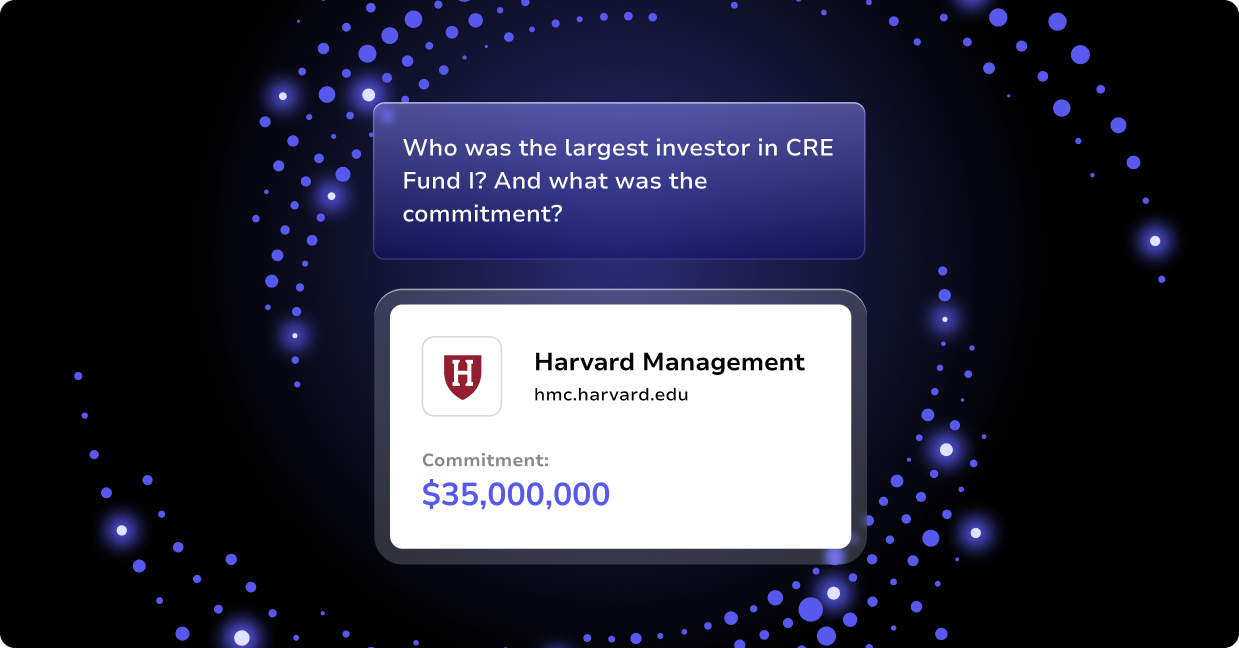
Modern IR teams automate the reporting foundation so humans can focus on interpretation, not assembly. AI tools like Altvia’s AIMe eliminate repetitive steps, build consistency into reporting workflows, and turn multi-hour production processes into minutes.
Automated reporting doesn’t just save time—it builds confidence.
Mistake #4—No Visibility Across IR, Finance, and Deal Teams
One of the fastest ways to lose LP trust is internal misalignment. Finance believes one thing, IR is sharing another, and the Deal Team is working off a completely different set of numbers. The LP asks a question that crosses teams—and suddenly everyone is scrambling.
This lack of visibility creates:
- Conflicting answers
- Duplicated work
- Delays that signal risk to LPs
And often, the LP ends up with more real-time insight into the firm’s performance than the people in the room.
How do you fix it?
A connected operational layer changes that dynamic completely. When IR, Finance, and Deal Teams all pull from the same system, answers become fast, consistent, and credible. Analysts get clarity, leaders get confidence, and LPs get transparency.
Mistake #5—Relying on Tribal Knowledge Instead of Connected Workflows
Every IR team has that one person who “just knows” where everything lives, what was said to which LP, or what the latest update was.
The problem? When knowledge lives in people instead of systems, the entire firm becomes fragile.
New analysts struggle to onboard. Context evaporates when someone leaves. LPs receive inconsistent answers depending on who responds. Critical insights never make it back into the operational record.
High-performing IR teams build institutional memory — not personal memory. Connected workflows ensure every interaction, insight, and data point automatically becomes part of the firm’s operating fabric.
How to fix it?
Altvia does this naturally: capturing, structuring, and surfacing information so analysts never start from zero. When knowledge moves from heads to systems, the team moves from reactive to truly proactive.
Conclusion: What IR Teams Look Like When They Stop Chasing Data
When analysts no longer spend their days hunting for numbers, updating spreadsheets, and revalidating reports, everything about the IR function changes:
- LP responses go from days to minutes
- Reporting becomes predictable, consistent, and accurate
- Analysts contribute insights, not just updates
- IR leaders gain clarity and confidence when meeting with LPs
- The entire firm appears institutional, prepared, and trustworthy
This is what it looks like to raise every day—not scrambling for answers, but operating from a foundation of readiness.
How Altvia Helps IR Teams Build Daily Discipline
Altvia gives analysts the infrastructure they need to stay ahead instead of falling behind:
- A single source of truth for all investor data
- Automated reporting and workflows
- Connected visibility across IR, Finance, and Deal teams
- Instant access to institutional knowledge via AIMe
- Unified communication through the LP Portal
The result: Our customers tell us they free up more than 220 hours a year using our platform, and operate as a confident, modern, institutional-grade IR function.Take the first step toward a more prepared, more proactive IR function.
👉 Download The Raise Every Day Playbook — a practical guide to raising every day, improving operational maturity, and earning LP trust.