
There is a version of an investor portal that most private equity IR teams are familiar with: a password-protected folder where quarterly PDFs live until an LP asks where they are, then you email them directly. It is functional in the same way a fax machine is functional. It works.
LP expectations have shifted structurally, not cyclically. The bar for what constitutes an acceptable investor experience in private markets has been reset, and the firms that understand this are using their portal as a competitive advantage. The firms that do not are quietly losing ground on re-ups and relationship quality without always knowing why.
Here is what the data shows, what LPs say they want, and where most GP portals fall short.
The gap between what GPs deliver and what LPs expect is widening
A Preqin survey found that 73% of LPs cite inconsistent reporting from managers as a significant challenge when investing in alternative assets. That number alone should give IR teams pause. Nearly three out of four limited partners have a meaningful frustration with how their GPs communicate with them and reporting is the primary channel through which that relationship is maintained.
For more on the importance of reporting see our recent blog on reporting bottlenecks here.
The frustration is not simply about formatting. Sophisticated institutional LPs and increasingly savvy high-net-worth investors now expect continuous reporting and instant access to information. The quarterly PDF delivered 45 days after quarter-end is no longer the standard. It is the floor and for many LPs, it is already below the floor.
According to CSC’s Limited Partners Guide to Fund Operations, 68% of LPs now prioritize operational transparency over even performance track record. That is a remarkable inversion. LPs are telling the market that how you run the relationship matters as much as what you return.
What LPs actually want in a Portal
When you strip away the survey language and talk to IR teams who interact with LPs daily, three things come up consistently.
1. Self-service access to their own data
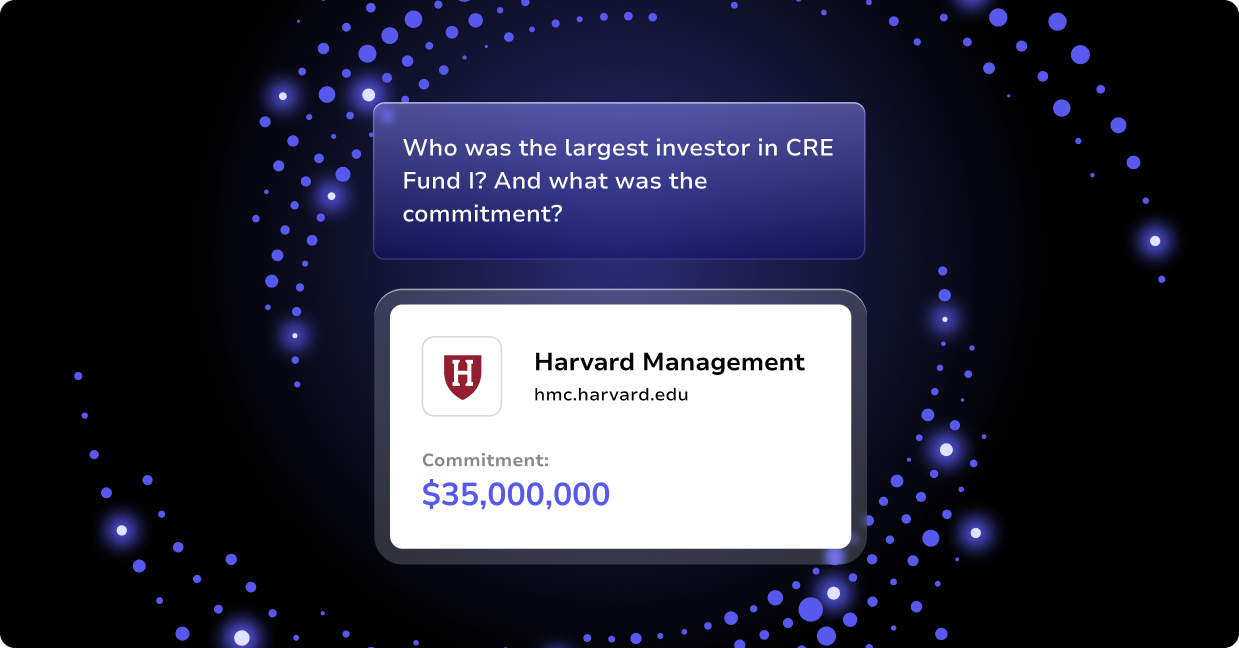
LPs do not want to email IR to find out their current NAV or distribution history. Many LPs now expect on-demand access to essential data, not just quarterly reports on unrealized value. A portal that requires a support request to answer a basic balance question is not a portal. It is a bottleneck with a login screen.
The self-service expectation extends beyond documents. LPs want to be able to filter by fund, by year, by entity, and see their capital account in real time (or close to it!). A modern investor portal should provide LPs with direct access to real-time or quarter-end fund and portfolio data, historical performance, capital activity, and supporting documentation, all in one place.
2. Dashboard-style reporting, not static documents
LP expectations now highlight a preference for secure digital portals with 24/7 access to information and dashboard-style reporting rather than static documents. This does not mean GPs need to build a Bloomberg terminal. It means LPs want to see their key metrics (IRR, TVPI, DPI, capital called, distributions) in a format they can actually interact with rather than a table buried in a PDF.
LPs want to understand the underlying drivers of performance, assess risk exposures in real time, and gain a deeper understanding of the operational aspects of portfolio companies. A static quarterly report answers none of those questions. A dynamic portal with drill-down capability does.
3. Proactive communication, not reactive delivery
The worst version of an LP portal is one that only activates when the GP remembers to upload something. That’s a document dump with a login screen. What LPs value is always-on access to current information they can pull themselves, on their own schedule, without having to request it from IR.
That shift — from GP-pushed documents to LP-driven self-service — is exactly what a modern portal makes possible. When live fund data, capital account history, and performance metrics are available on demand through a single login, the LP doesn’t need to wait for a quarterly email or chase down a statement. The information is there when they need it. That frees IR teams from fielding basic data requests and lets them focus on the relationship conversations that actually matter.
The fundraising implications are real
LPs are requesting bespoke reporting to meet regulatory or internal requirements, and GPs’ willingness to accommodate these requests varies depending on the operational burden. The firms with a modern portal infrastructure can accommodate these requests more broadly, while the firms without one will be deciding, one LP request at a time, whether the relationship is worth the manual effort.
This is not just an IR operations issue. Your reporting stack is now part of the due diligence process. Prospective investors are looking at how you communicate. They are assessing your operational sophistication. And they are comparing your platform against others they have used.
LP experience during the fund lifecycle directly affects fundraising outcomes on the next raise. A committed LP who feels well-served, well-informed, and genuinely cared for is more likely a re-up than a committed LP who spent two years chasing documents and never felt like a priority.
Diving deeper into the CSC report, not only do 68% of LPs surveyed stated they are focusing on operational transparency, but many LPs believe technology is a major differentiator when looking at competitor GPs. They expect technology that offers real-time data access, integrated systems, automated reporting, and strong cybersecurity.
Technology is now part of the GP selection criteria. Not as a box-checking exercise, but as a genuine signal of whether a firm will be easy or difficult for investors to back.
What separates a portal that works from one that just exists
What’s the difference between an investor portal that strengthens LP relationships and one that simply checks a compliance box? It comes down to three things: the data, the platform and the experience.
- The data foundation. A portal is only as good as what goes into it. If fund admin data is not connected directly to the portal or if someone is manually uploading an Excel file every quarter then your portal is a document delivery tool, not an investor experience platform. A portal that pulls live data from fund accounting and administration systems ensures what LPs see is always current, but that’s only the beginning of the platform question.
- The platform play. A portal disconnected from your CRM, VDR, and IR communication tools doesn’t just create extra work; it creates a fragmented experience for both the firm and its LPs. Your team is maintaining the same data in multiple places, and your LPs are logging into multiple systems. When something needs to be updated, it has to be updated everywhere, manually, by someone. A connected platform eliminates that.
Read more about the advantages of one platform for private capital firms.
When the CRM, the portal, the VDR, and IR communications run on a single system, data flows where it needs to go without anyone manually moving it. The LP sees a consistent, current picture of their relationship with your firm. Your IR team sees a complete record of every interaction, document, and communication in one place. That is not a technology preference. That is the operational foundation that makes a genuine LP experience possible at scale.
- The experience. LPs are sophisticated consumers of technology in every other part of their professional and personal lives. A clunky login experience, confusing navigation, or documents organized in a way that makes no intuitive sense will not be tolerated with the same patience it once was. The bar for design and usability has been set by the platforms LPs use everywhere else.
How to know if it’s working.
The clearest measure of a portal’s effectiveness is what happens to inbound LP communication after it goes live. If IR teams are still fielding the same volume of “can you send me my K-1” emails six months after implementation, the portal is not working. A well-designed portal should materially reduce ad hoc requests by making the answer self-evident.
The bottom line
LP expectations around the investor portal are not aspirational. They are current. The firms that invest in building a genuine digital experience for their limited partners, one that gives them real-time access, self-service capability, and proactive communication, are using that investment as a fundraising differentiator. The firms that treat the portal as a document archive are handing their competitors an advantage every quarter.
The question for IR teams is not whether to upgrade the LP experience. It is how much runway you have left before that decision gets made for you.
Altvia’s IR Operations workflow provides a connected LP portal and CRM built directly into the Altvia platform, giving IR teams a single system to manage documents, data access, and investor communications across the full fund lifecycle. To see how it works, request a demo.